Beyond 20/20 Vision and Eye Health
Behavioural & Neuro-Optometry
What is Behavioural & Neuro-Optometry?
Behavioural & Neuro-Optometry involves assessing how the eyes and brain work together as a team to process visual information i.e. eye tracking, focusing, and visual processing.
One key strength of behavioural / neuro-optometry testing is that it involves dynamic testing challenging the visual system with lenses in free space to bring better balance between vision, vestibular and proprioception.
If you are experiencing visual and vestibular symptoms, it is important to consult your doctor, to rule out any serious or time-sensitive conditions first.
What is BVD? (Binocular Vision Dysfunction)
BVD is an umbrella term that encompasses various conditions where both eyes are not working together optimally as a team. BVD involves the brain, eyes and nervous system.
‘BVD’ related conditions include:
- strabismus(crossed eyes)
- amblyopia(lazy eye)
- convergence Insufficiency(Difficulty turning the eyes inward for close tasks e.g. reading)
- Divergence Excess(The eyes drift too far outward, when looking far e.g. driving).
- Vertical Heterophoria(The eyes are vertically misaligned, forcing the brain and eye muscles to constantly work to align the images)
- Accommodative Dysfunction(The eyes cannot switch focus between near and far objects quickly or comfortably, meaning tasks require more stamina).

What Causes BVD (Binocular Vision Dysfunction)?
Binocular vision disorders (BVD) stem from either structural misalignment of the eyes or disruptions within the neurological pathways that govern ocular motor control.
BVD may be relevant to the following conditions:
Long Covid, FND (Functional Neurological Disorder), migraines, vestibular migraines/ headaches, vertigo, brain fog, visual snow, post-concussion, post TBI (traumatic brain injury), sensory processing disorder, traumatic eye injury, auto-immunity, chronic illness, post viral syndromes, post stroke, sixth nerve palsy, Bell’s Palsy, Havana Syndrome, CFS (Chronic Fatigue Syndrome), fibromyalgia and neurodivergent/ mental health related conditions.
Key symptoms may include:
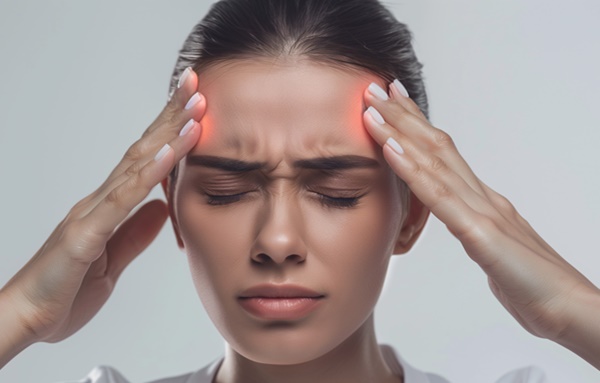
You may be experiencing headaches/ migraine, light sensitivity, eye strain, difficulty scrolling on your PC/ phone, trouble keeping place when reading, not retaining what you have read (comprehension), neck tension after visual work, motion sickness, motion or pattern glare sensitivity, poor spatial awareness, sensory overload, or be bothered by crowds.
In children, you may notice they avoid reading/ close tasks, tilt their head to one side when reading/ writing or complain of eye strain or headaches after school.
Symptoms can intrude in to areas that you don’t expect e.g. anxiety, ambulation and gait, tension through the body or trouble coping with busy shopping centres etc.
Your symptoms are unique to you:
We listen and provide comprehensive binocular vision analysis: eye movements, directing visual attention, accommodation, convergence, pattern glare sensitivity, vertical heterophoria, scotopic light sensitivity and postural deficiency syndrome.