Neuro Optometry & BVD Focus
Methodology

Neuro optometry and BVD focus – Our Usual Steps
Unlike standard eye exam, a behavioural or neuro optometry assessment is a longer appointment. That extra time is used to investigate complex sensory sensitivities in detail, so a personalised plan can be built for each patient.
Firstly, make sure your medical situation has been fully addressed by your GP, ophthalmologist, neurologist or vestibular physiotherapist, to rule out urgent medical problems
Careful History
Previous eye care, health status, vision symptom scored etc
Testing Process
Careful, thorough binocular vision exam:
- Free space and/or phoropter based – ACBO / OEP influenced
- Phorias, vergence, Maddox Rod, 12/3 jump vergence, accommodation, Worth4 Dot (with challenge), red green cross, ACA flexibility, eye movements, Randot Stereo, head positioning, modify techniques related to your visual sensitivities
Precision Colour Tint Assessment
Do colour tints improve visual performance or comfort.
Generic or highly customised precision tints may be relevant.
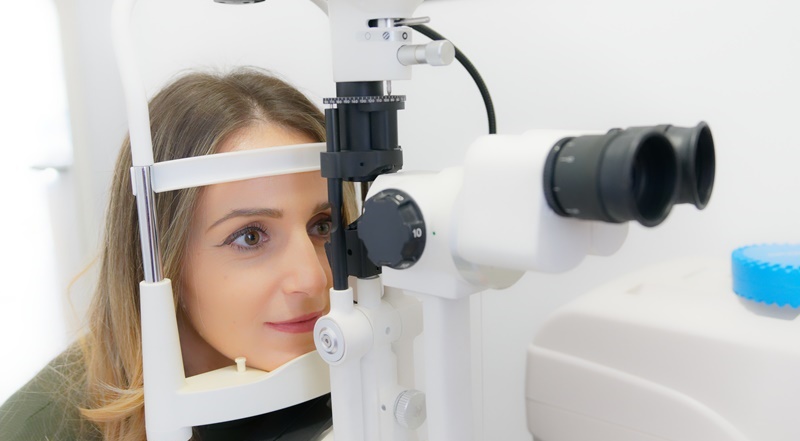
Performance Testing With Lenses
- Relevant to your problem areas – movement, computer, page
- Prisms (yoked / vertical heterophoria/ Da Silva), precision tints, script variations etc
Holistic Considerations
- Visual guidance, circadian and metabolic advice and/or factors related to your vocational environment.
Personalised Solutions
- Discuss suitable lens designs, often overlooked
- Discuss vision therapy, syntonic light therapy as needed
- Prioritise what is feasible and what is not
Communicate with your health professionals as needed